80 Years of Unstoppable: The Unimog Legacy Lives On in Countless Journeys Told by Those Who Drive It.
This year, Unimog celebrates 80 years of existence, a journey that began in the final years of World War II when former Daimler-Benz engineers Albert Friedrich and Heinrich Rößler envisioned a versatile agricultural vehicle to support post-war recovery. The idea focused on a universally applicable machine with equal-sized wheels, high ground clearance, portal axles, and power take-offs — a vision realised in 1946 with the first U1 prototype. By 1949 the first-ever Unimog from series production at Boehringer in Göppingen was handed over to the first customer. Early demand led to the project’s transfer to Daimler-Benz in 1950, with full production from 1951, and the adoption of the iconic three-pointed star in 1953. Over the decades, the Unimog evolved into heavier and more specialised models, expanded internationally, and has been produced at the Wörth am Rhein plant since 2002. Remaining true to its founding principles of ruggedness and adaptability, the Unimog today stands as one of the most capable and versatile vehicles ever built, trusted across industries and extreme environments worldwide.
In celebration of 80 years of Unimog, Daimler Truck Southern Africa (DTSA) is connecting with Unimog customers to capture insights, stories, and the real-world impact of Unimog. First up we had the pleasure to speak to Ian van Staden from Van Staden Transport. The van Staden’s has a long history with Daimler Truck Southern Africa, spanning more than 24 years across multiple vehicle brands DTSA offers.
Van Staden Transport began in 1986 with a single 5 cubic metre Bedford tipper. It was a modest start, but one that laid the foundation for a business built on consistency, hard work, and a deep respect for reliable machinery. Over time, the business evolved from general tipper operations into specialised brick transport, steadily growing into a well‑established and respected operation. Through close collaboration with one of DTSA’s dealerships, Sandown Commercial Vehicles Centurion, in particular FUSO and Freightliner modifications, the van Staden team gained a deeper respect for Daimler Truck engineering, a journey that ultimately led them to invest in their first Unimog.
Question: Tell us more about your relationship with the Unimog brand
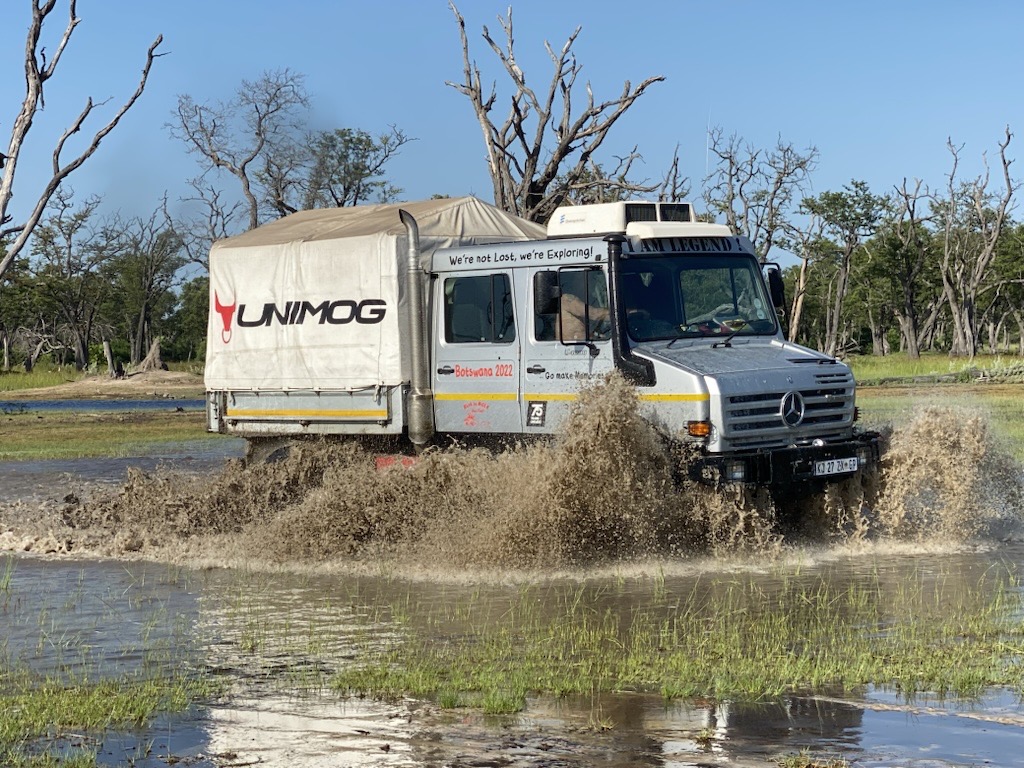
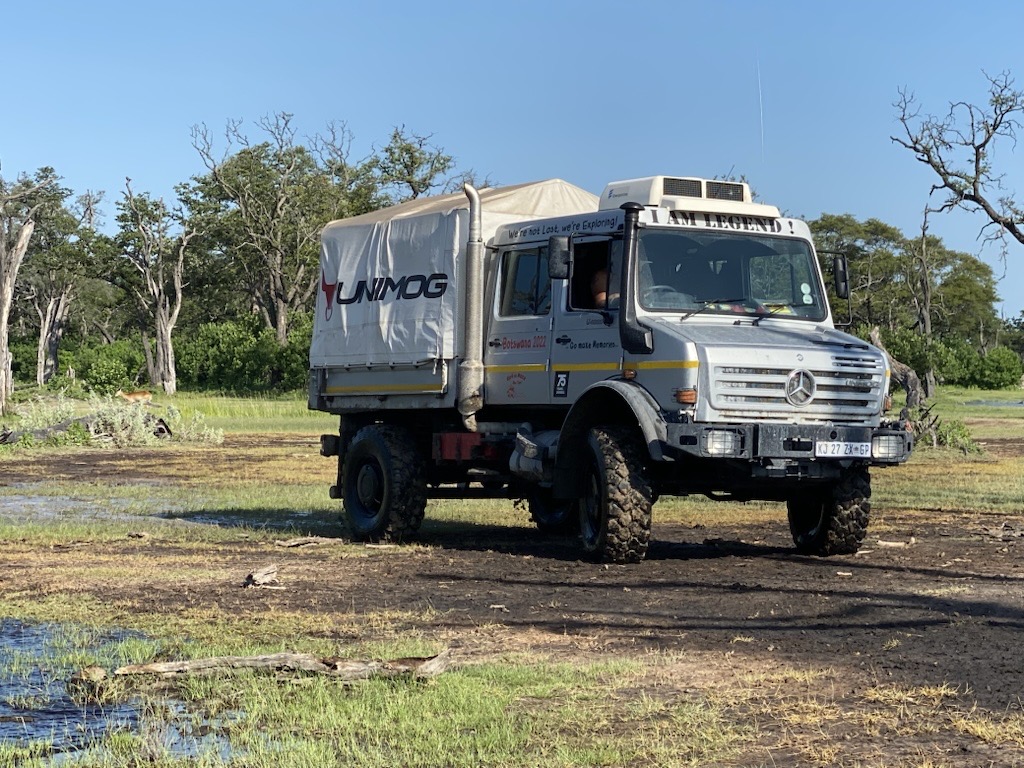
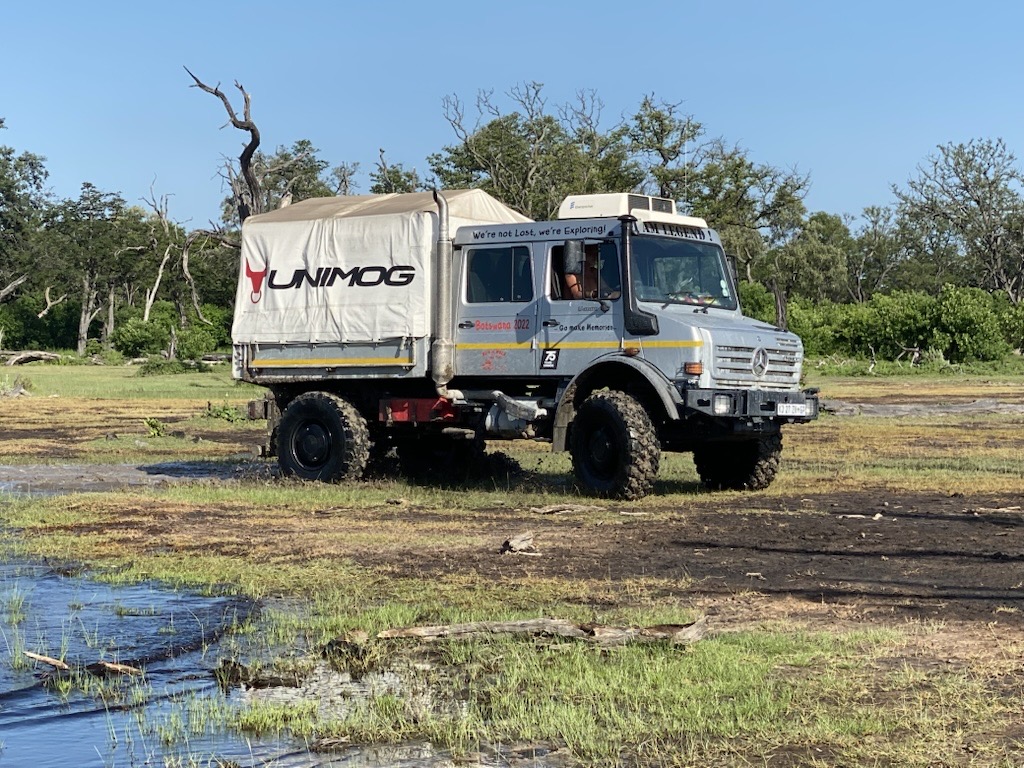
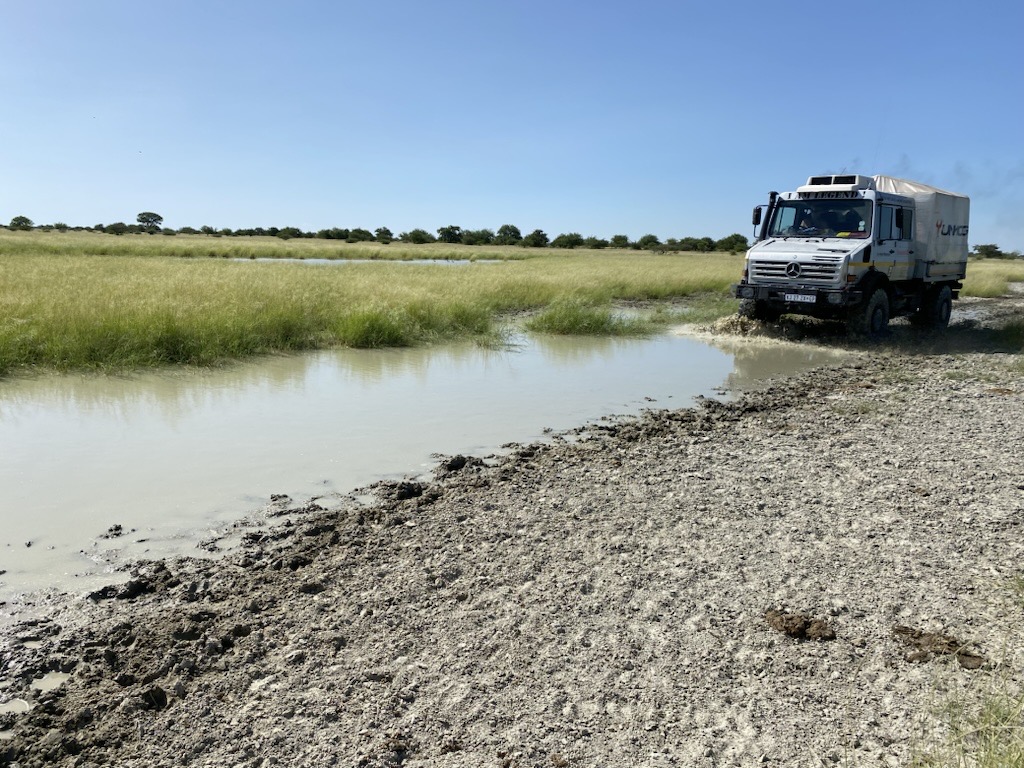
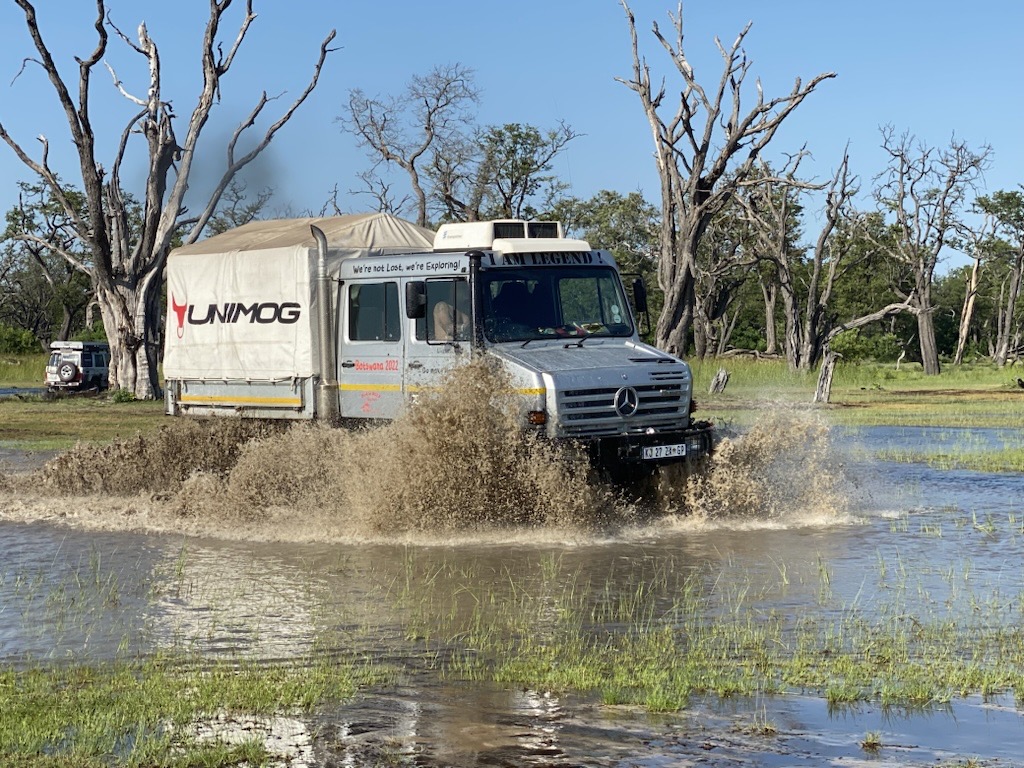
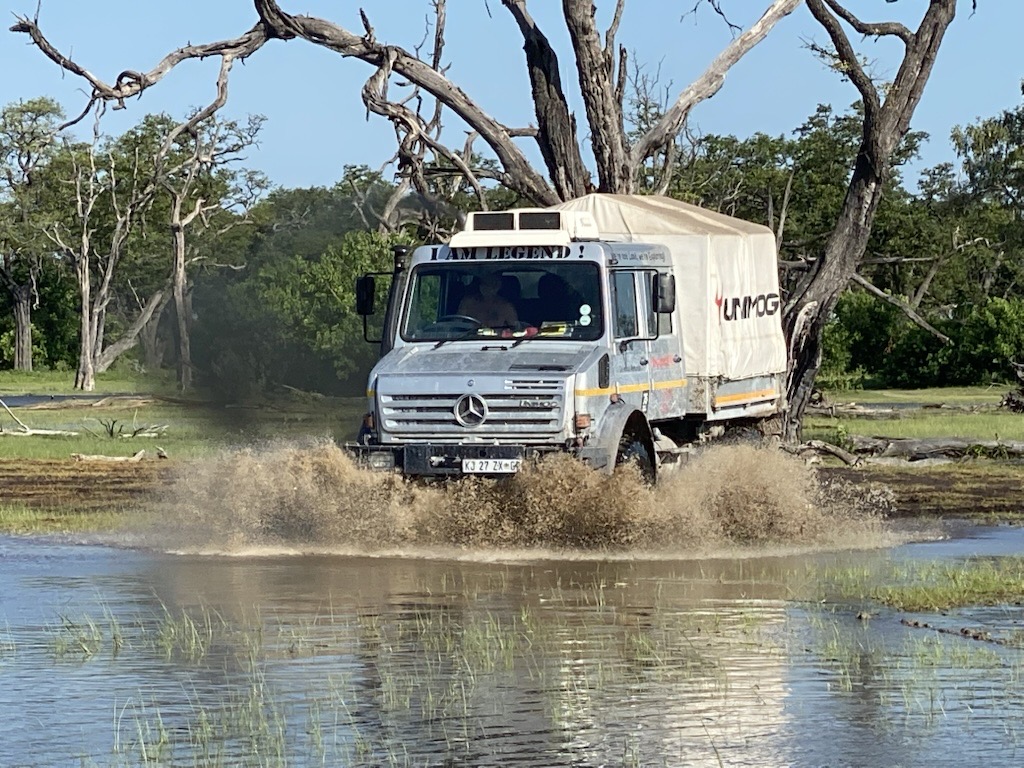
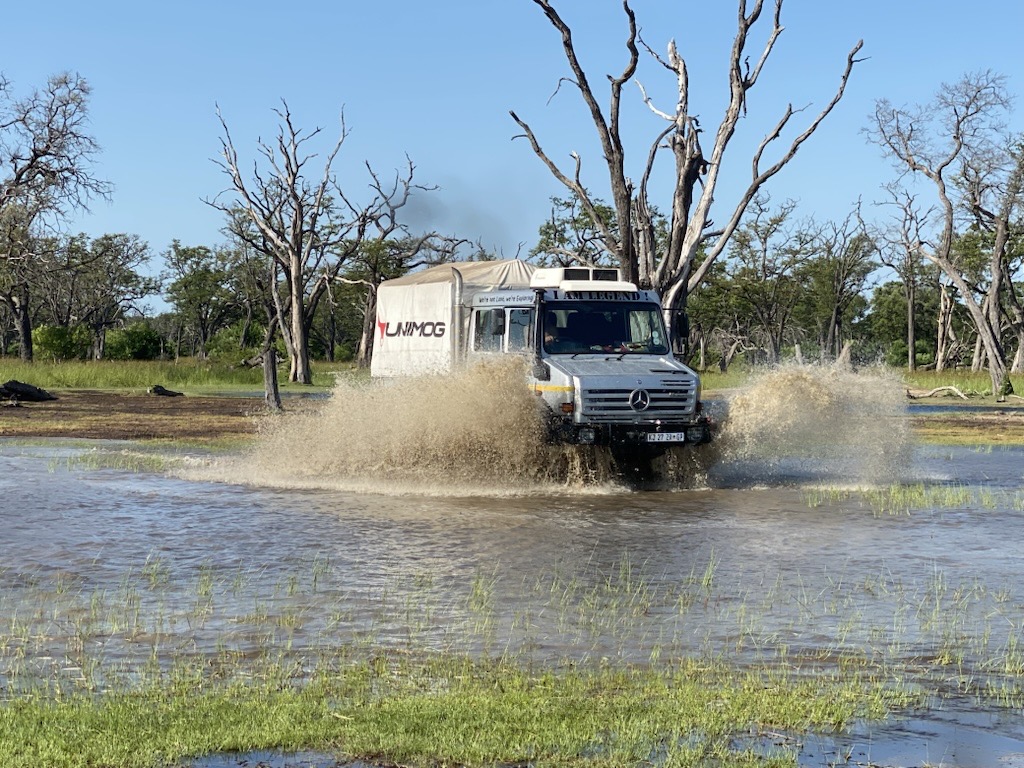
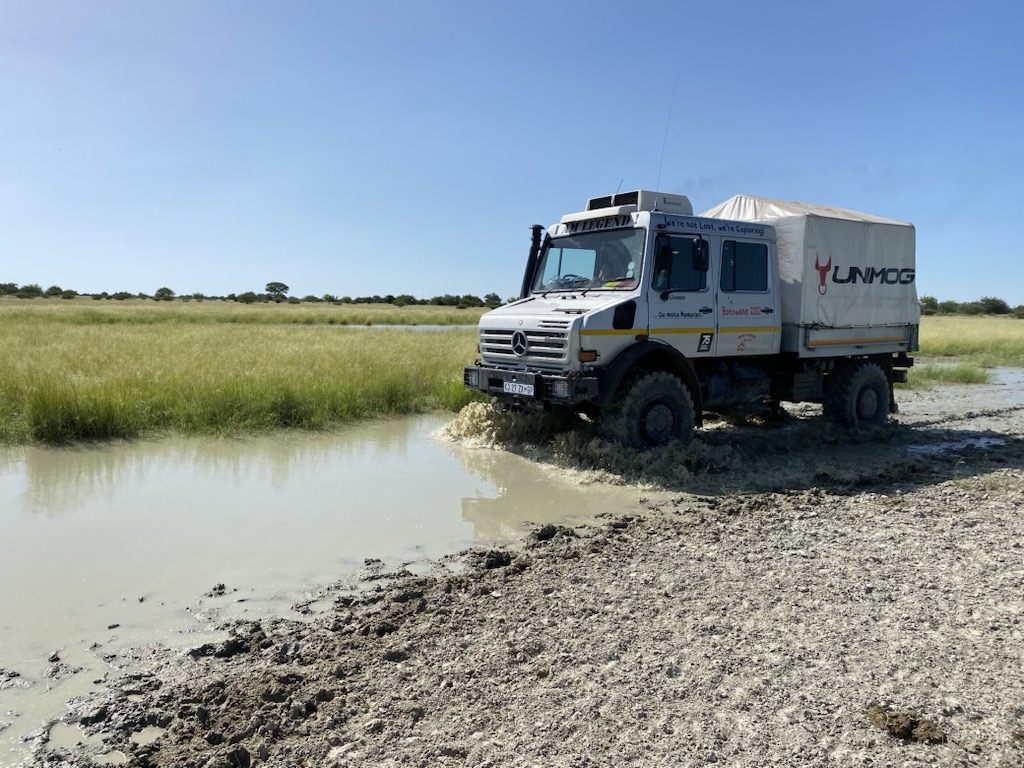
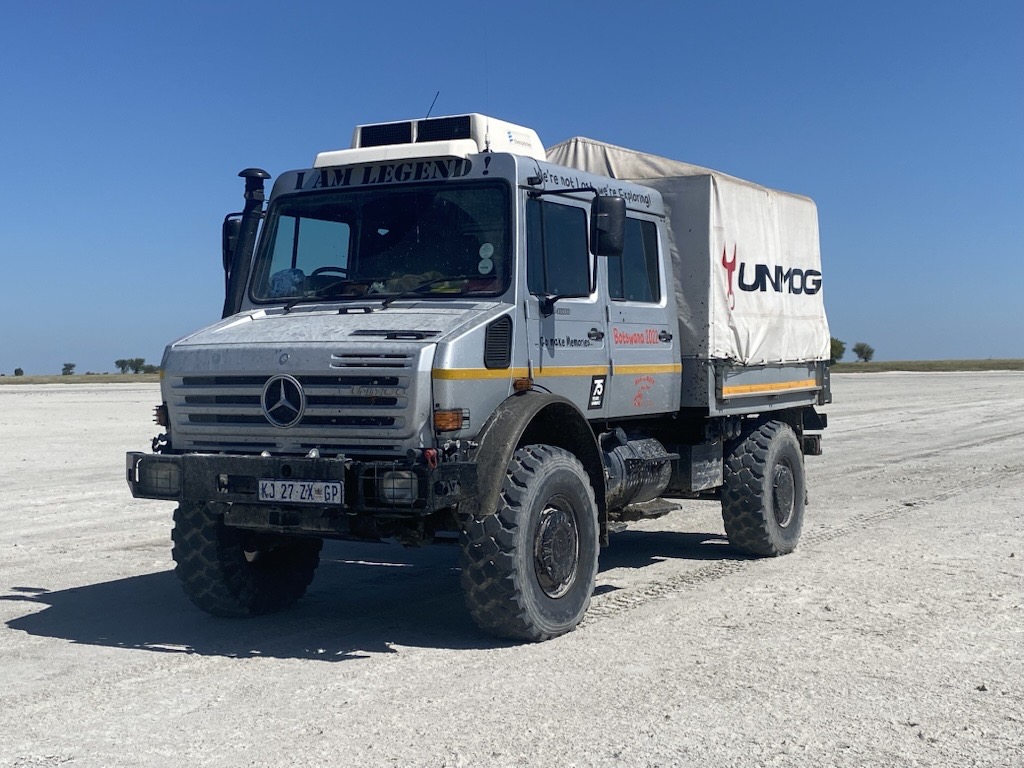
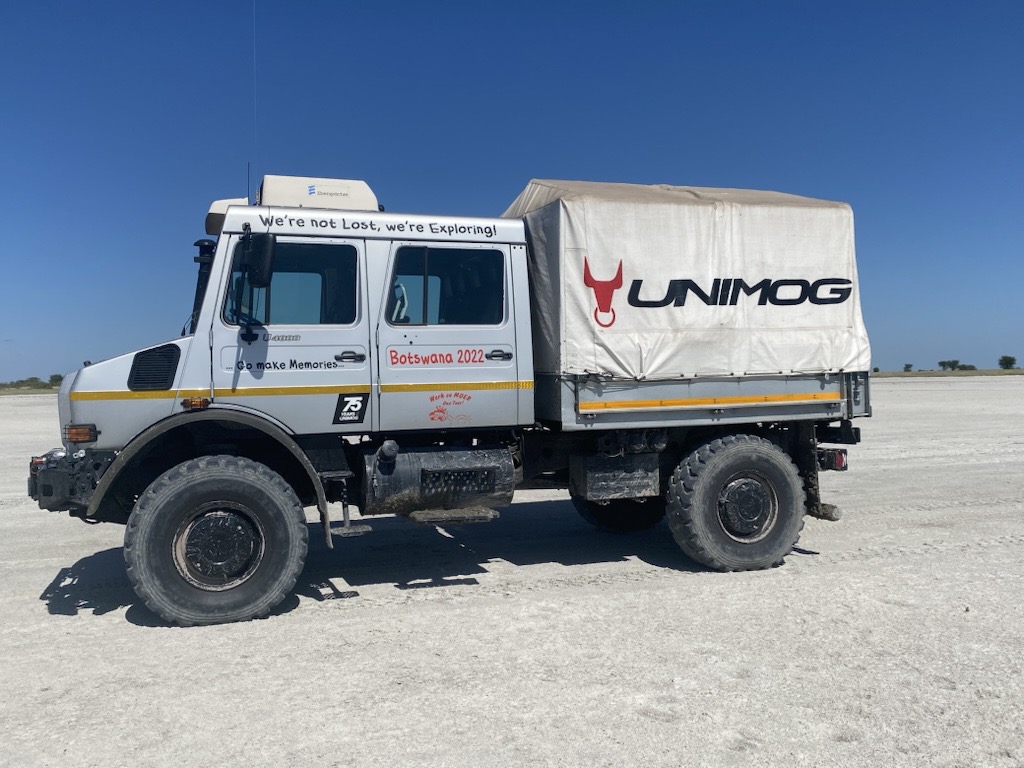
Ian van Staden: Our Unimog story began long before we owned one. In 1996, two of the three brothers who started Van Staden Transport travelled to Lake Malawi in a well-known and popular full size SUV brand. That journey sparked a passion for exploring Africa that would grow over the years through many more trips. In 2003, that passion led to the purchase of the first Unimog chassis, an ex-SANDF military Buffel chassis without a proper cab. The vehicle was converted it into an expedition vehicle in our own workshop and was named: Tsunami. It was an ambitious build, but ultimately the configuration proved unstable for long-distance travel, and never made it past Potgietersrus before being retired. Even so, the idea never disappeared. In 2021, at the 75th Unimog anniversary held at Afrika Brauhaus event my parents attended, a new Unimog U4000 demonstrator was on show. The moment my father got behind the wheel, that long-standing dream came back to life. In February 2022, we were given the opportunity to take a Unimog on a trip to Botswana. That trip changed everything. December to February is peak rainfall season in Botswana with wet, unpredictable, and unforgiving conditions. It was the perfect test. We travelled alongside another full size SUV brand, a platform we knew well after decades of African travel. But this time was different. Where conditions became difficult with deep water crossings, mud, salt pans, and heavy sand, the Unimog didn’t hesitate. It didn’t struggle. It simply moved forward. And somewhere along that journey, the decision was made. There was no going back. In October 2023, we purchased our own Unimog, and just two months later, we were on our first expedition.
Question: Which of the Unimog features are your favourite?
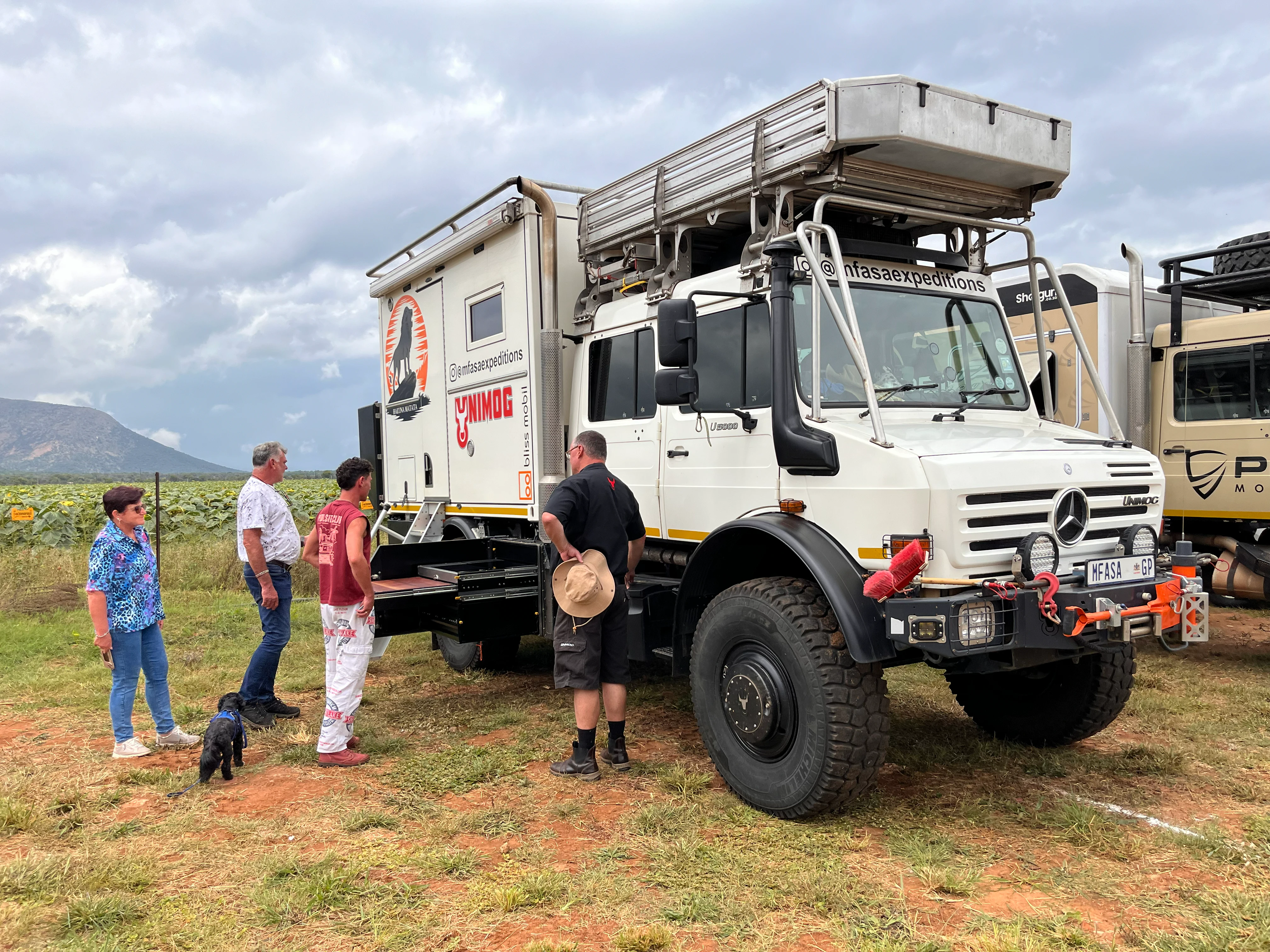
Ian van Staden: It’s difficult to single out one feature, as the Unimog works so well as a complete system. However, in everyday use is the Central Tyre Inflation (CTI) stands out. This completely changes how we travel. Instead of stopping in extreme heat or difficult conditions, we can adjust tyre pressures on the move, from the air-conditioned comfort of inside the cab. The Portal Axles is another favourite feature. Beyond their distinctive look, they provide exceptional ground clearance and confidence. When navigating rocks and uneven terrain, there’s a sense of ease knowing the vehicle is designed to handle it.
Question: What is the main reason/use for your Unimog?
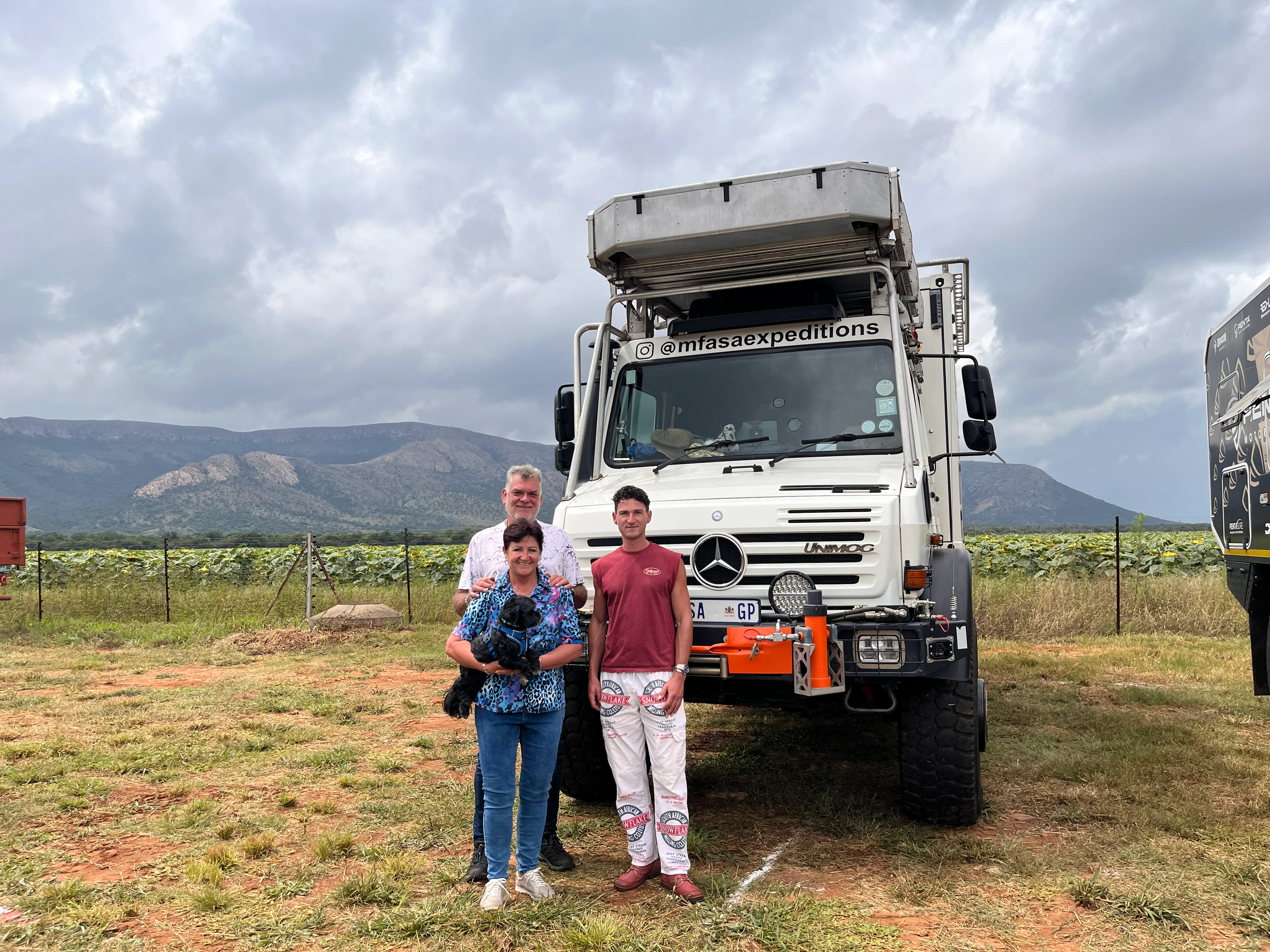
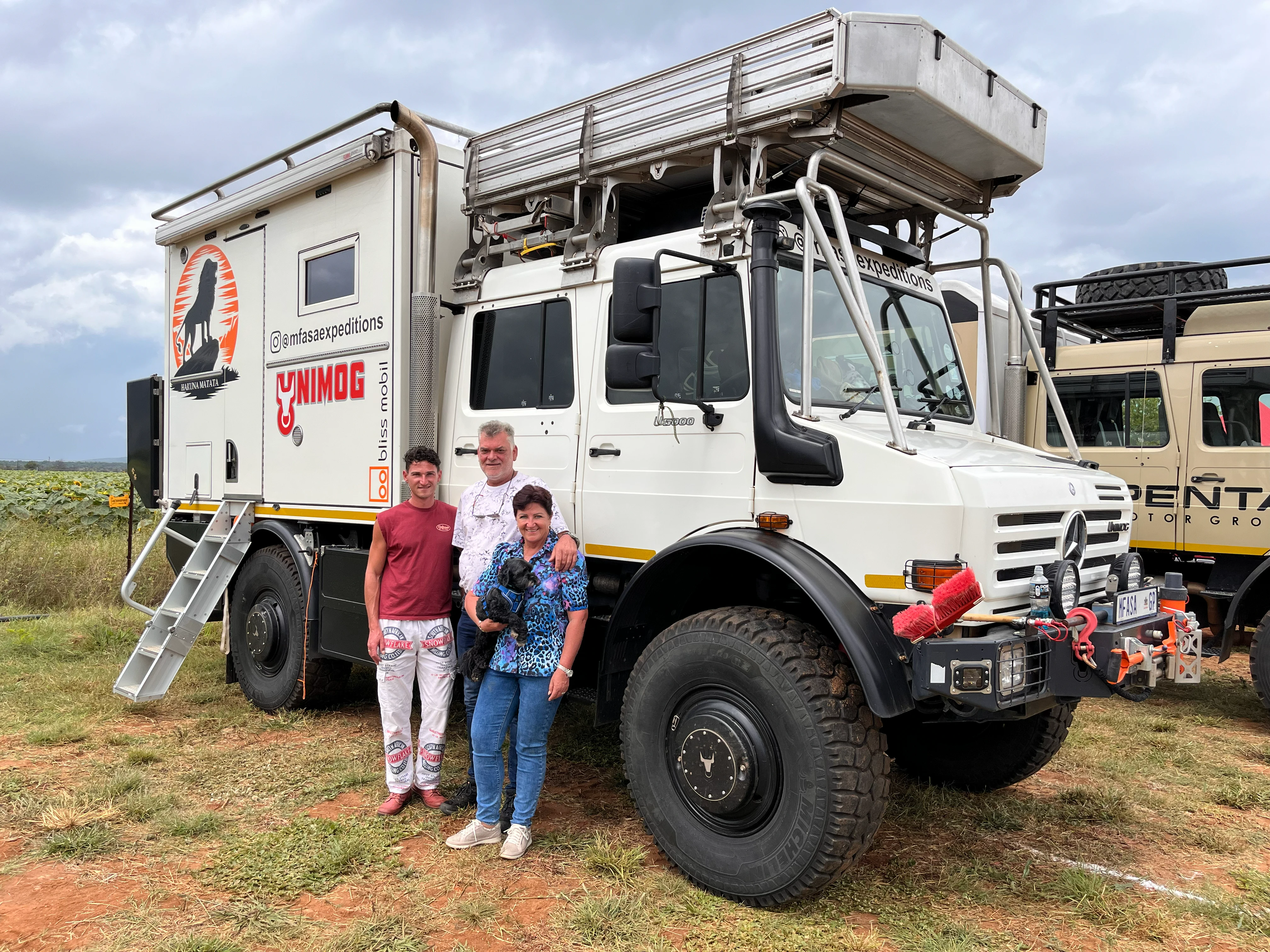
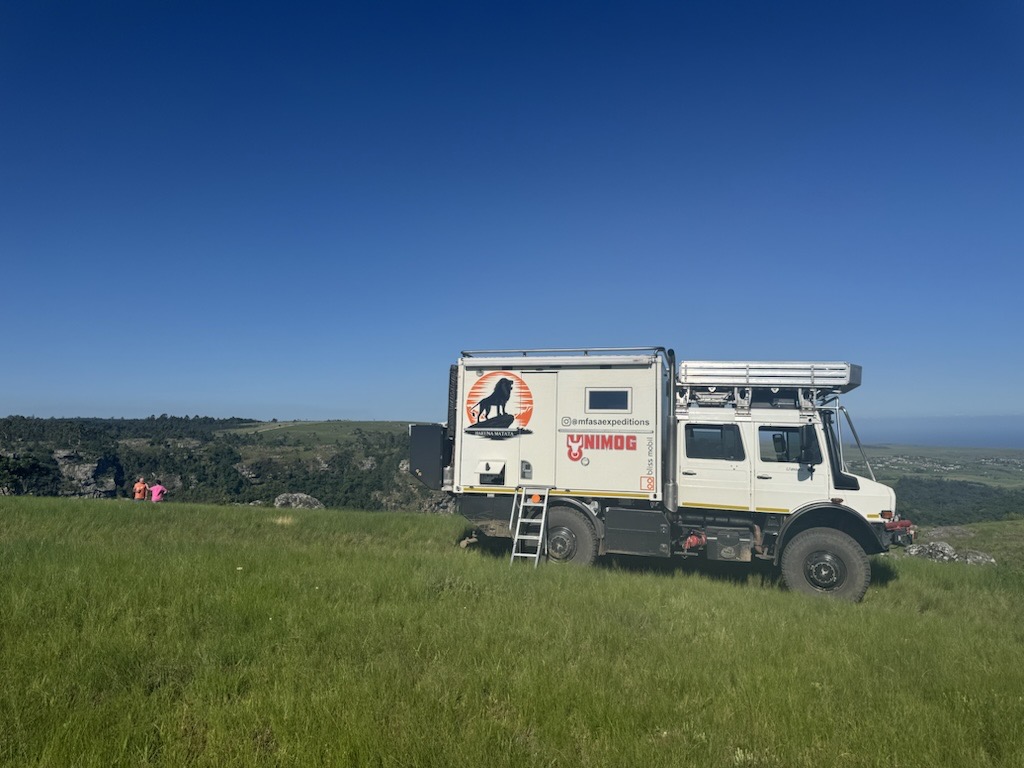
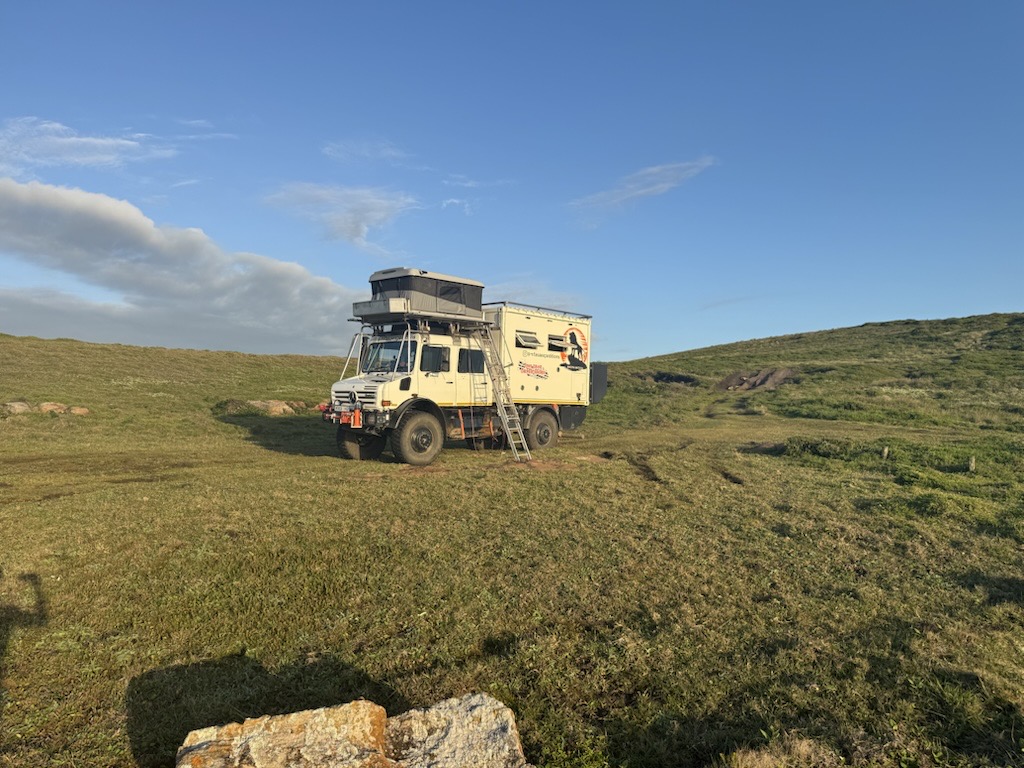
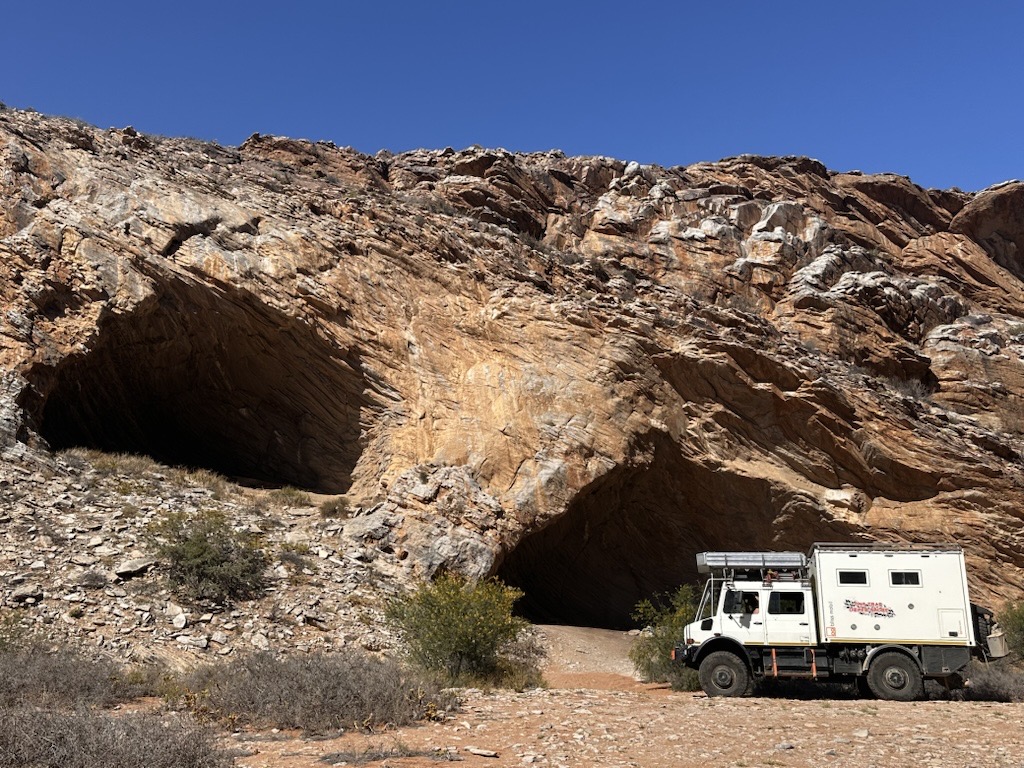
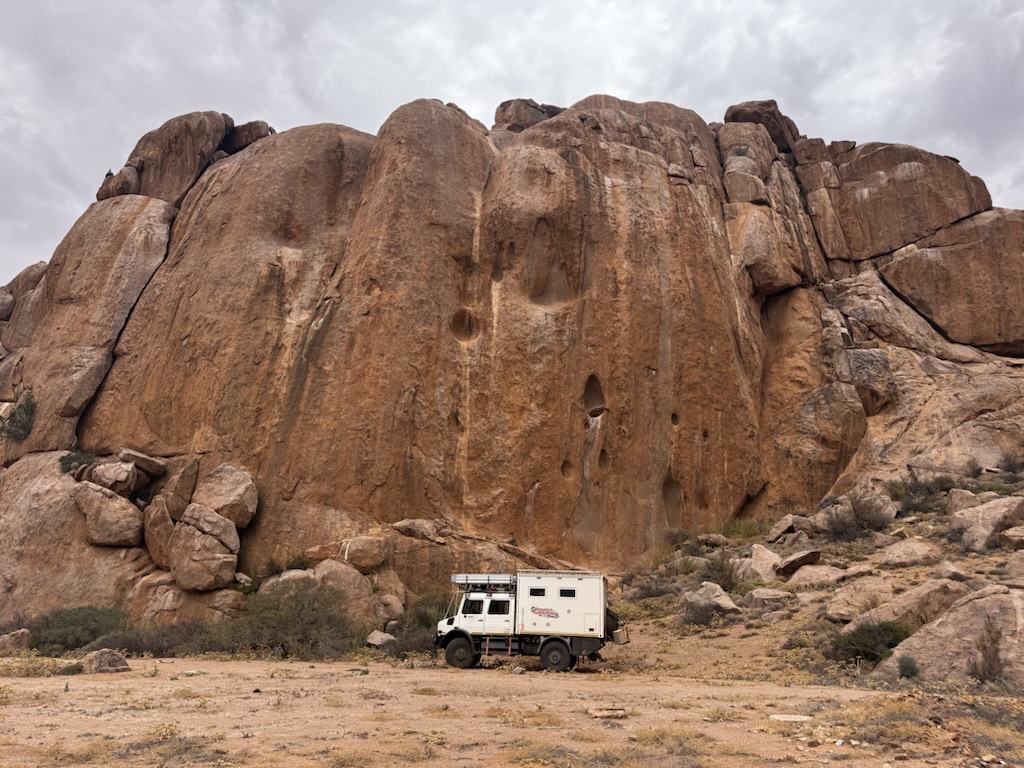
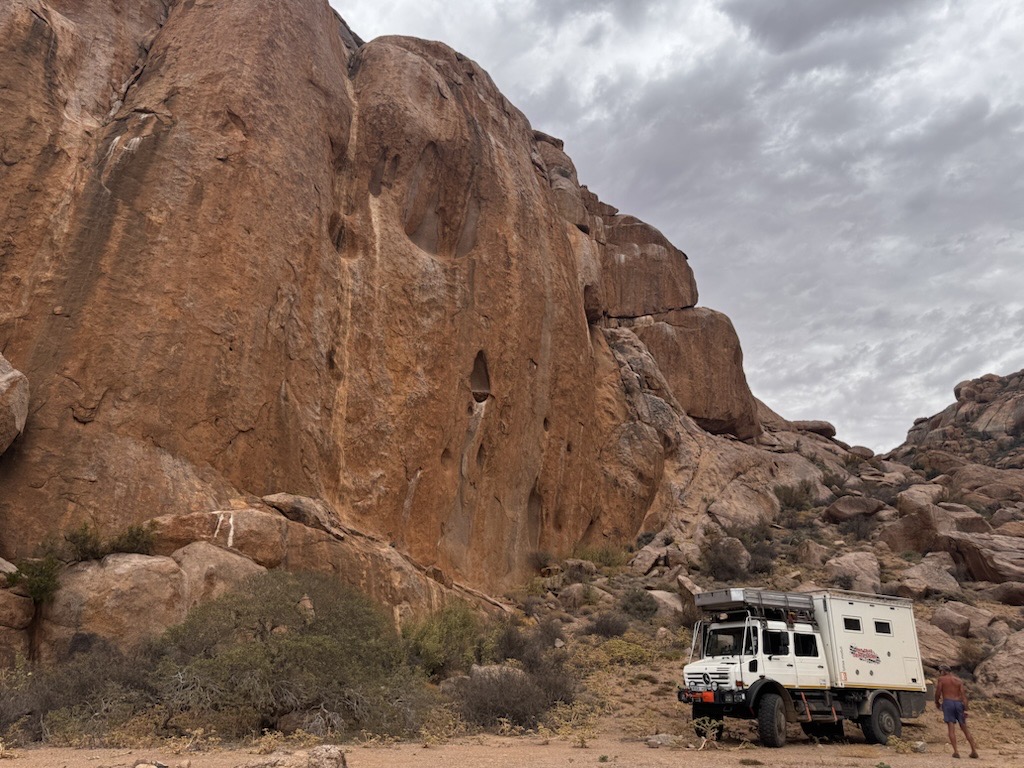
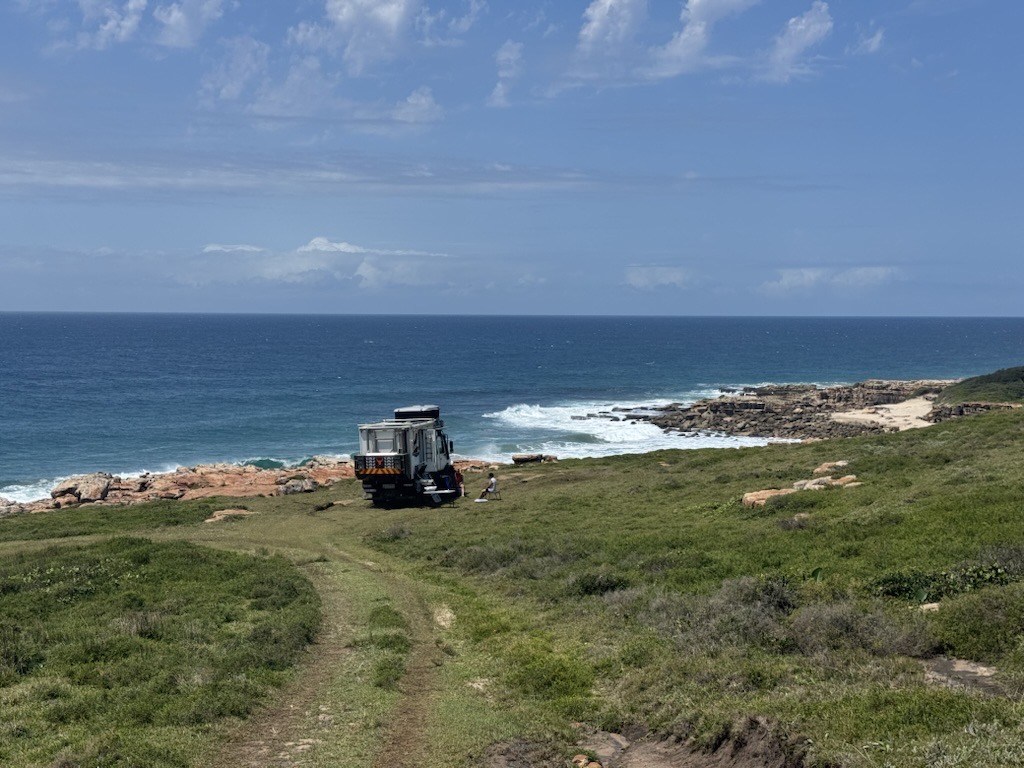
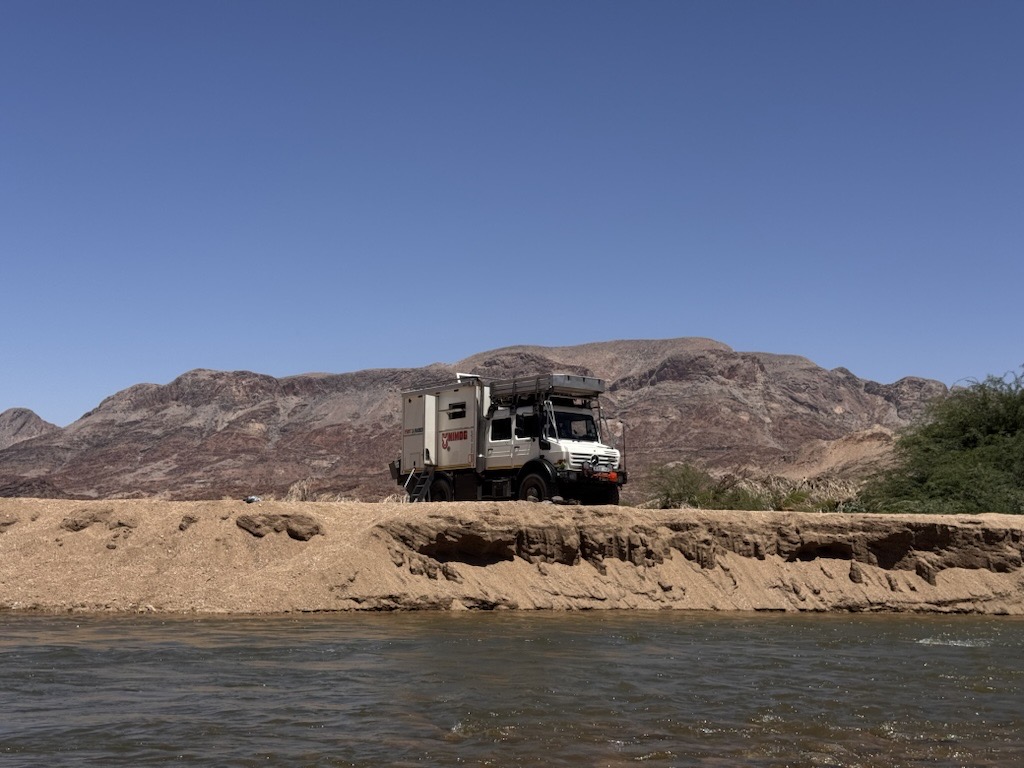
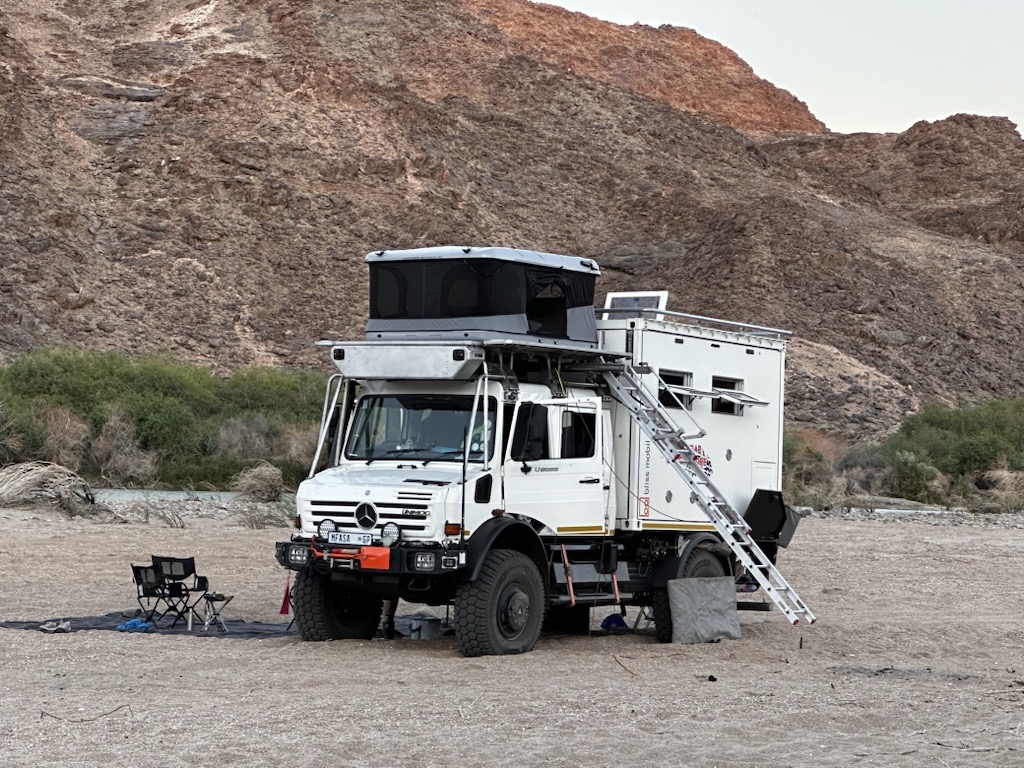
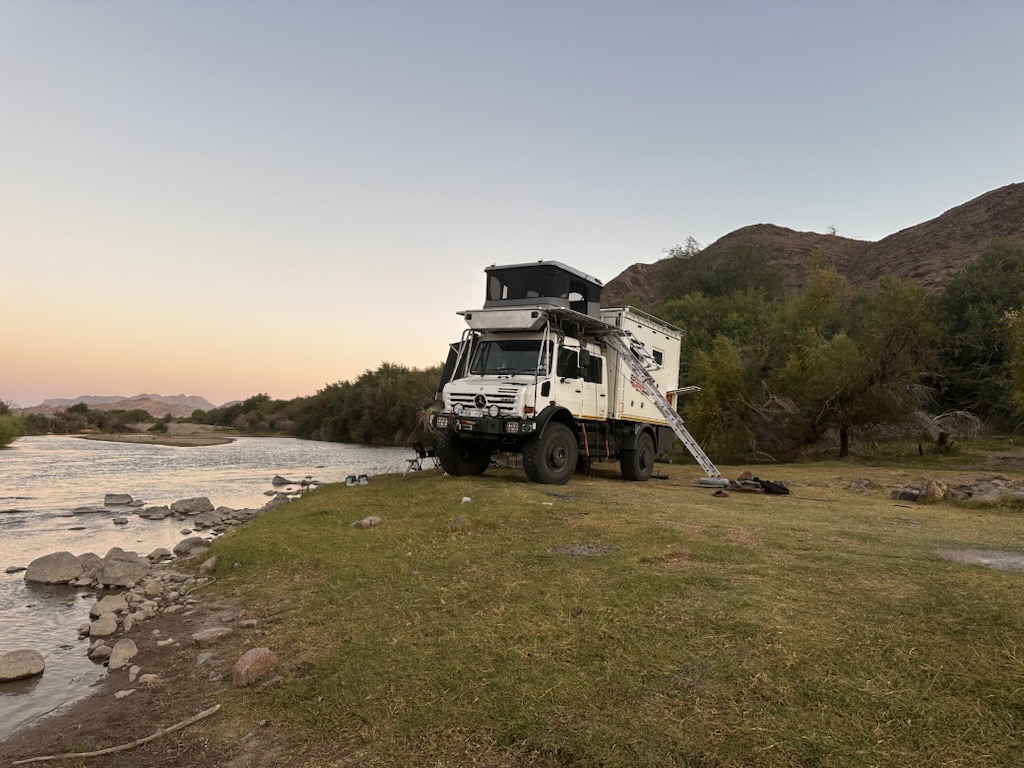
Ian van Staden: Our Unimog, called Mfasa, is our holiday home wherever we choose to stop. Whether it’s by the sea, deep in the bush, on a riverbank, or in the desert, it becomes our base. It is always packed and ready, because the next journey is never far away.
Question: Which areas/countries have you travelled with your Unimog?
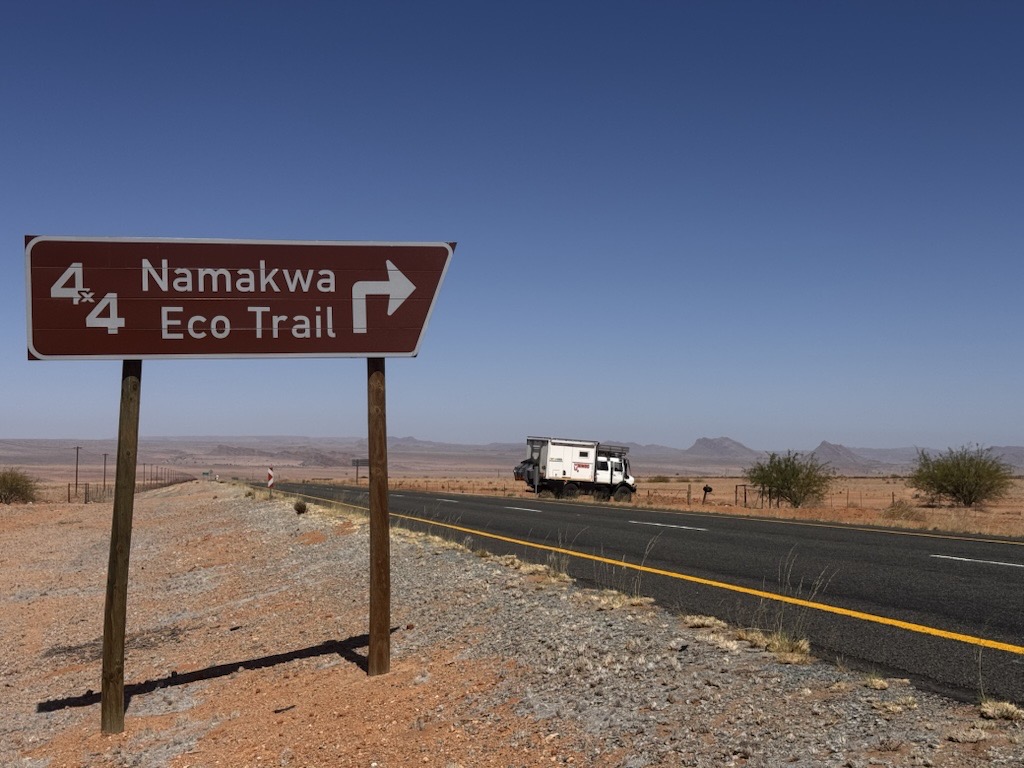
Ian van Staden: Our first expedition in December 2023 took us north toward Lake Malawi. Over four weeks, we travelled nearly 10,000 kilometres through Botswana, Zimbabwe, Mozambique, Malawi, and Zambia. The journey covered everything from deep mud in the Tuli Block to narrow sand tracks along the edge of Lake Malawi. In cities like Harare, the Unimog became something of a spectacle, drawing attention and connecting us with people along the way. Since then, we’ve explored the Namaqua and Richtersveld Eco Trail, over 600 km of rugged terrain in extreme heat, as well as travelled along South Africa’s coastline from Lake Sibaya to Cape Town and up the West Coast. Each journey has brought new challenges and new memories.
Question: Describe a moment where the Unimog surprised you with its capabilities
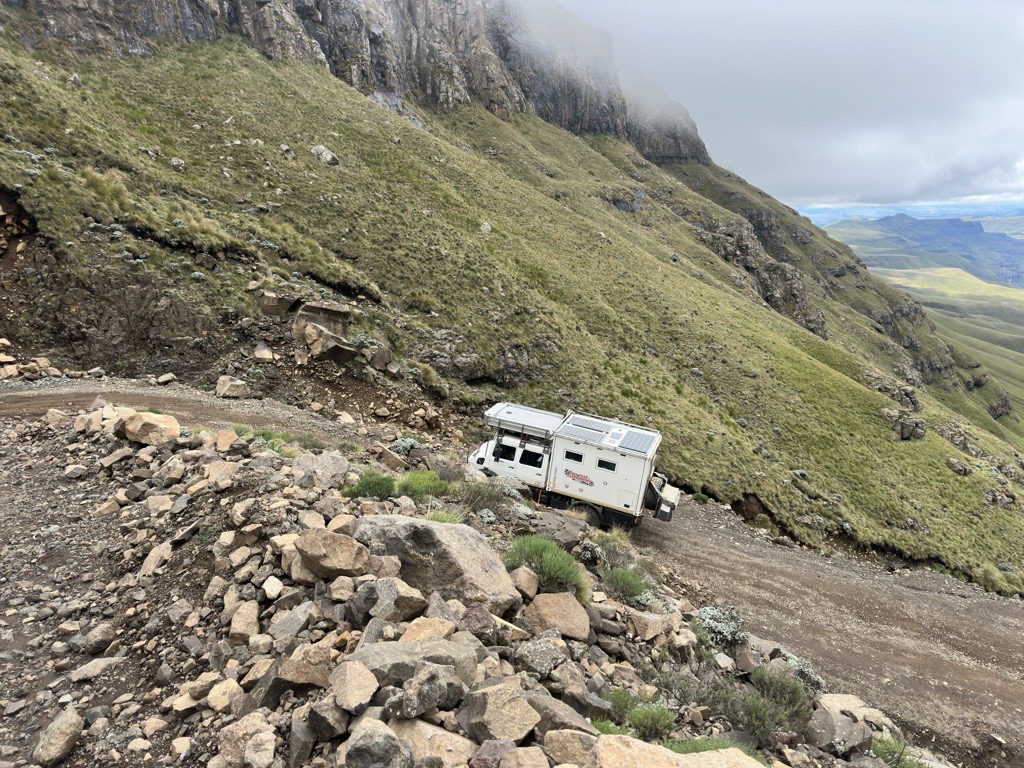
Ian van Staden: Driving the Eselbank Pass (Kerskop Pass) in the Cederberg stands out. With gradients as steep as 1:5 and extremely narrow sections, it’s a route that demands precision and confidence. There’s no room for hesitation there, only trust in the machine beneath you. The Unimog handled it with complete control, it’s working gears delivering steady, seamless movement without any loss of traction. It wasn’t just about getting through the pass; it was about how effortlessly it was done. And that’s the thing about the Unimog, it doesn’t just get through obstacles. It changes how you approach them.
Question: Describe your favourite moment/memory with your Unimog
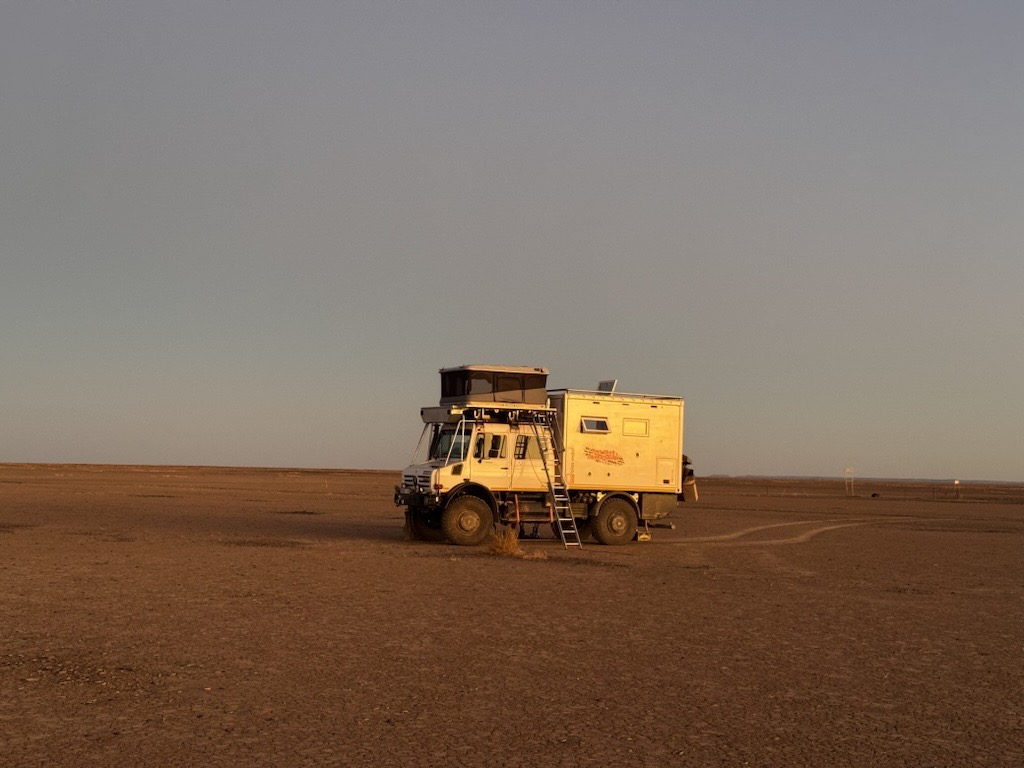
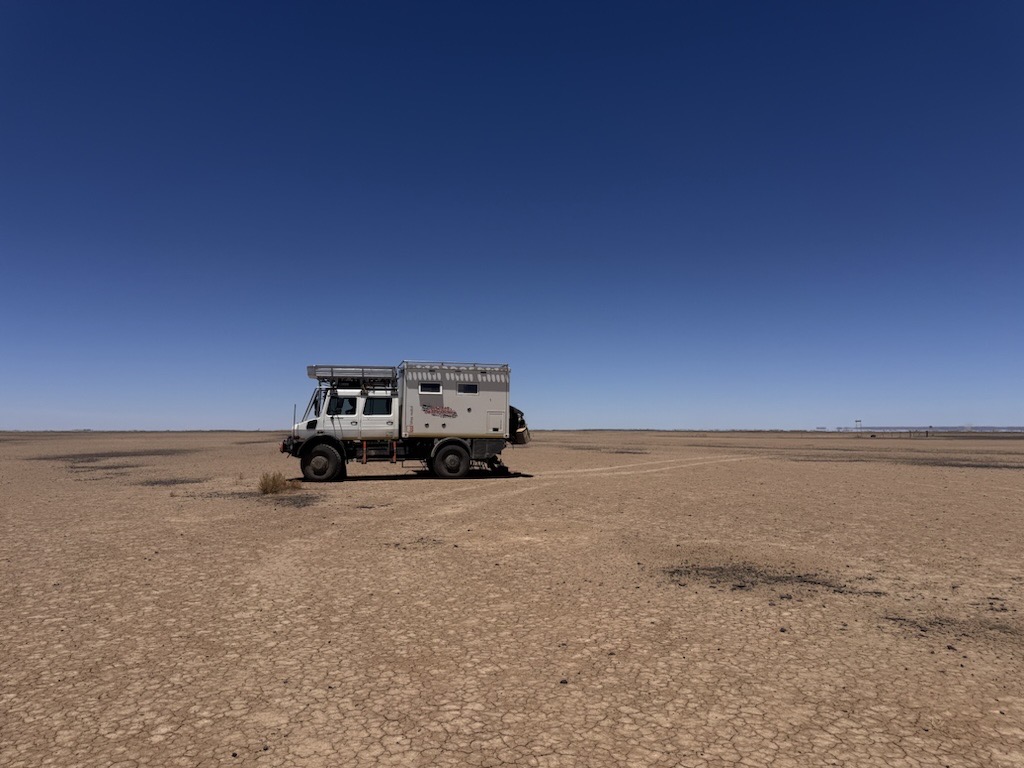
Ian van Staden: It’s difficult to choose a single moment. From navigating peak traffic in the busy streets of Harare, surrounded by people waving and cheering Mfasa, to complete isolation on Verneukpan, each trip offers something different. Rather than one defining memory, the Unimog has given us a collection of experiences that continue to grow with every journey.
Question: What does 80 years of Unimog mean to you?
Ian van Staden: Eighty years represents a legacy of refinement. It reflects a vehicle that has been continuously improved through real-world experience; where good ideas endure and evolve, and unnecessary ones fall away. The Unimog stands as a product of that process: tested, trusted, and uncompromising in its purpose.
Question: How does the Unimog perform in terms of: Reliability, Fuel Consumption, Ride Comfort, Manoeuvrability, Manageability, in Traffic and in Tough Terrain
Ian van Staden: Mfasa has proven consistently reliable, taking us to remote locations and bringing us home safely every time. Considering the size of the vehicle and the fact that it carries a fully equipped expedition module, fuel consumption is reasonable for its class.
Compared to our years travelling in other SUVs, the difference is significant. The Isri air seats and suspension system provide a far more comfortable ride, especially over long distances and rough terrain. Despite its size, the Unimog’s turning circle is remarkable, making it far more manoeuvrable than expected. While it requires a different driving approach, the vehicle is surprisingly intuitive and easy to control once familiar. The elevated driving position offers excellent visibility, and the vehicle handles urban environments well. However, the transmission characteristics do require some adjustment in slow-moving traffic and more engine power would not hurt. Tough terrain is where the Unimog truly stands out. The combination of torque, gearing, portal axles, and torque tube design provides confidence and capability in even the most demanding environments.
Daimler Truck Southern Africa thanks the van Staden family for sharing their Unimog story and looks forward to seeing Mfasa continue to create unforgettable journeys, wherever the road—or lack of one—may lead.